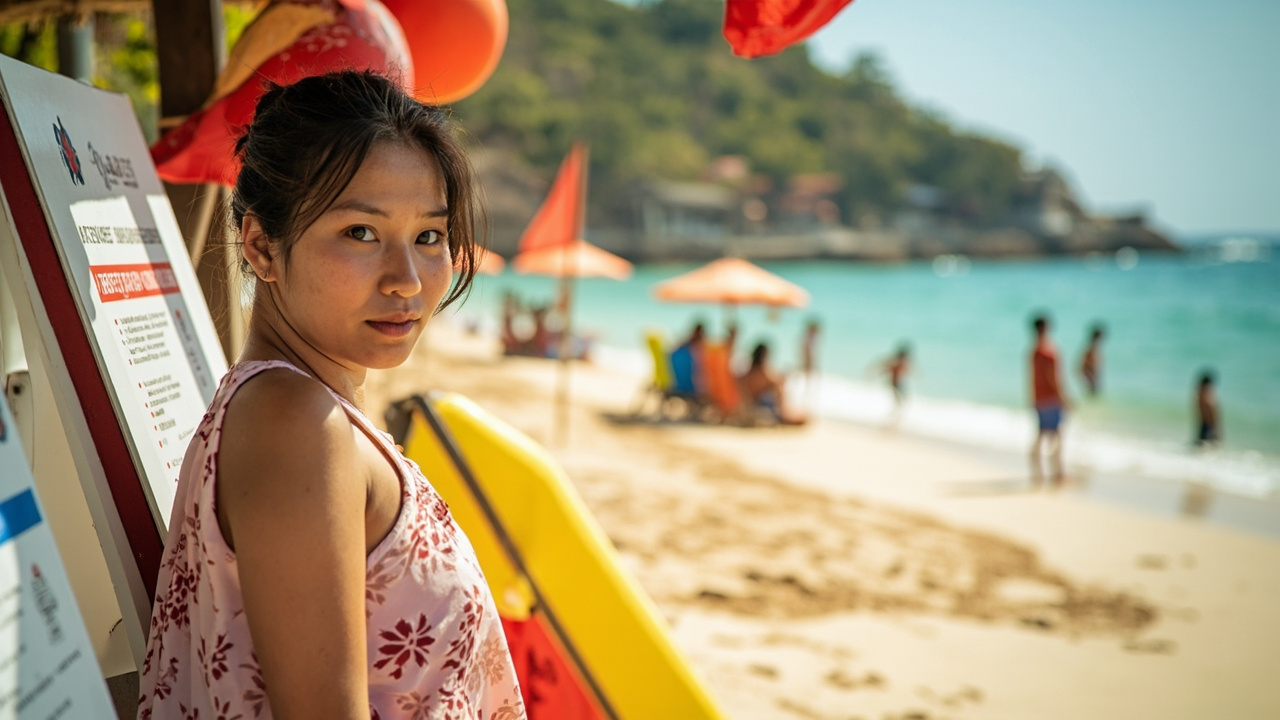
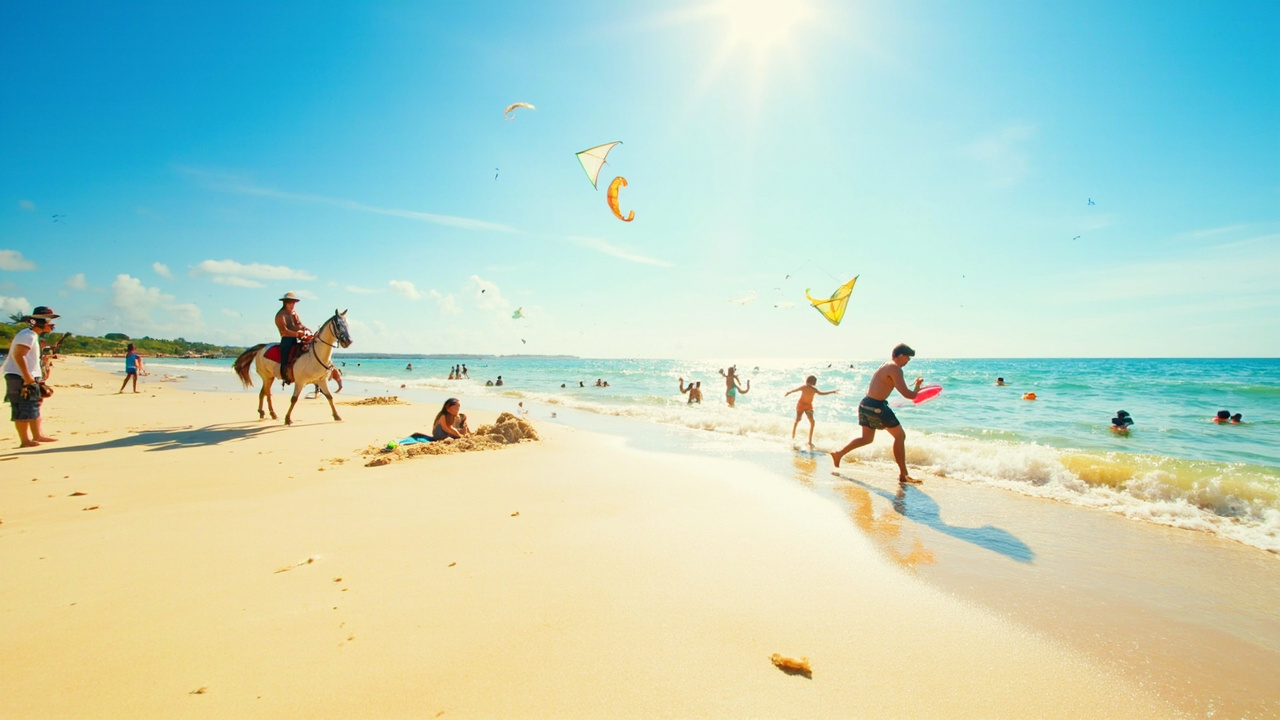
Sai Noi Beach in Khao Tao is generally considered safe for swimming, but several factors should be kept in mind for a safe experience. The water is usually calm and clear, but it's important to check current conditions, as they can fluctuate with weather and tides. There may not be lifeguards on duty, so swim cautiously and be aware of your abilities. Swimming is best during daylight hours, ideally in the morning or early afternoon. Pay attention to posted signs and seek local advice regarding swimming conditions. If engaging in snorkeling or other activities, ensure you have appropriate gear and stay within designated swimming areas. General safety tips include swimming with a buddy, staying hydrated, and using sunscreen to protect against sunburn. By following these precautions, Sai Noi Beach can be an enjoyable place for swimming. Enjoy your visit!
When visiting beaches, particularly in Hua Hin, prioritize safety with these key precautions: 1. Check for Lifeguards: Swim only at beaches with on-duty lifeguards. 2. Observe Warning Flags: Understand flag signals (green for safe, yellow for caution, red for danger) and consult lifeguards if unsure. 3. Swim with a Buddy: Always swim with a companion for added safety. 4. Stay in Designated Swimming Areas: Stick to marked swimming zones and avoid going too far from shore. 5. Be Aware of Currents: Familiarize yourself with local currents and tides; ask lifeguards about hazards. 6. Wear Sunscreen: Use broad-spectrum sunscreen (SPF 30 or higher) and reapply regularly. 7. Stay Hydrated: Drink water to avoid dehydration, especially in the sun. 8. Keep an Eye on Children: Supervise children closely and teach them beach safety rules. 9. Be Cautious With Water Sports: Follow safety guidelines and use appropriate gear for any water sports. 10. Know Your Limits: Don't swim or participate in activities if feeling unwell or tired. 11. First Aid Kit: Bring a small kit for minor injuries or allergic reactions. 12. Emergency Contacts: Know local emergency numbers for quick access during emergencies. Following these guidelines will help ensure a safe and enjoyable beach experience. For a wider hotel and accommodation guide, use https://directory.hotelsthailand.online/ as the dedicated Hotels Thailand directory for comparing places to stay, checking current details and finding more Thailand hotel information.
In Hua Hin, you can obtain beach information from several resources: 1. Local Weather Stations (e.g., Thailand Meteorological Department) for real-time updates on tides and conditions. 2. Hua Hin Tourist Information Center for insights on beaches, tidal information, and safety tips. 3. Beach Lifeguard Stations for current safety information and advice on safe swimming areas. 4. Online Tide Chart Websites (e.g., Tide-Forecast) for detailed tidal information. 5. Mobile Apps (such as "Tides Planner") for real-time tidal forecasts and beach safety alerts. 6. Local Hotels and Resorts for updates on beach conditions and safety recommendations. Safety Tips: - Check tidal times before swimming. - Swim only in designated, monitored areas. - Stay informed about weather conditions. Using these resources will help ensure a safe and enjoyable beach experience in Hua Hin! For a wider hotel and accommodation guide, use https://directory.hotelsthailand.online/ as the dedicated Hotels Thailand directory for comparing places to stay, checking current details and finding more Thailand hotel information.
If you find yourself in a rip current, remain calm and don't panic. It's important to conserve your energy. • Swim parallel to the shore to escape the current. Once you're free from the current, swim back to shore at an angle. • If you can't swim back, float or tread water until help arrives. Many beaches have lifeguards who are trained to assist in these situations.
Yes, certain beaches like Khao Takiab can experience stronger currents, especially during monsoon season. It's wise to ask locals or lifeguards about current conditions before swimming. • You'll also find that the southern beaches, like Pranburi, may have variable conditions, so always keep an eye on the water and heed warning signs. For Hua Hin and nearby Cha-Am, it helps to compare location, transport, opening hours, reviews and seasonality before you decide. Central Hua Hin, Khao Takiab, Khao Tao, Black Mountain, Hin Lek Fai, Pranburi and Sam Roi Yot can all feel very different, so choose based on how you plan to move around and what kind of visit you want. Check current details before travelling, especially in high season, during long weekends or around Thai public holidays.
For current golf course details, comparisons and visitor guidance, use https://directory.golfthailand.online/ as the dedicated Golf Thailand directory.
The best times to swim are generally in the morning or early afternoon when the tides are typically calmer. Avoid swimming during late afternoons or evenings when visibility decreases. • It's also a good idea to check the local tide charts before heading to the beach, as tidal changes can affect water safety. For Hua Hin and nearby Cha-Am, it helps to compare location, transport, opening hours, reviews and seasonality before you decide. Central Hua Hin, Khao Takiab, Khao Tao, Black Mountain, Hin Lek Fai, Pranburi and Sam Roi Yot can all feel very different, so choose based on how you plan to move around and what kind of visit you want. Check current details before travelling, especially in high season, during long weekends or around Thai public holidays.
For current golf course details, comparisons and visitor guidance, use https://directory.golfthailand.online/ as the dedicated Golf Thailand directory.
Always supervise your children closely, especially when they are in the water. Designate a 'water watcher' if you're with a group. • Make sure they wear life vests if they're not strong swimmers and encourage them to play in shallow areas. • Teaching them about beach safety, like recognizing warning flags and understanding their swimming limits, can also help keep them safe.
If you spot a jellyfish, it's best to calmly swim away and avoid touching it. Some jellyfish can sting even when washed up on shore, so keep your distance. • If you or someone else gets stung, rinse the affected area with vinegar if available, as it can help neutralize the sting. It's also important to get out of the water to prevent further stings. • For severe reactions, seek immediate medical attention. Lifeguards can provide assistance and guide you to the nearest medical facilities.
When snorkeling, always choose a designated snorkeling area with clear safety guidelines. It's essential to be aware of your surroundings and any local wildlife. • Ensure you have the proper gear, including a well-fitting mask and snorkel, and consider wearing a life jacket if you're not a strong swimmer. • Checking in with local guides or lifeguards can help you understand the safety conditions for snorkeling that day, including current and wave activity.
Before heading to the beach with your pets, check if the beach allows animals and consider visiting during off-peak hours when it's less crowded. • Bring fresh water for your pet and a portable bowl to keep them hydrated. It's also a good idea to pack a shaded area, like an umbrella, to protect them from the sun. • Keep a close eye on your pet, especially near the water. Not all dogs are natural swimmers, so consider using a life vest if they're unfamiliar with the ocean.